
How to Stop Excessive Dog Barking (Simple Dog Training Methods)

Dogs bark. That’s just how dogs communicate. It’s normal.
But when dog barking turns into excessive barking, yeah… that’s when things get stressful.
Too much barking can mess with your peace, your family’s mood, and even cause issues with neighbors. A barking dog problem is one of the most common things pet owners deal with. So if you’re struggling, you’re definitely not alone.
Here’s the good part.
With the right dog training tips and a little behavior training, you can reduce barking. No yelling. No harsh tools. Just simple stuff that works.
In this guide, you’ll learn why your dog is barking so much. You’ll also find easy ways to stop unwanted barking using positive reinforcement and basic obedience training.
Let’s calm things down and get started 🐶
Why Do Dogs Bark?
They bark when they’re happy, scared, bored, anxious, or just want attention. Think of it like a kid crying. It always means something.

Sometimes dog barking happens because they hear a noise or see movement outside. Other times, it’s separation anxiety, loneliness, or unmet needs. Knowing why your dog is barking is the first step in dog behavior training and barking control.
Understand the Type of Barking
Not all barking means the same thing.
A dog barking at the door is different from barking for food or barking when left alone.
Pay close attention. The tone, speed, and timing matter.
Learning these patterns helps with obedience training and stopping excessive dog barking.
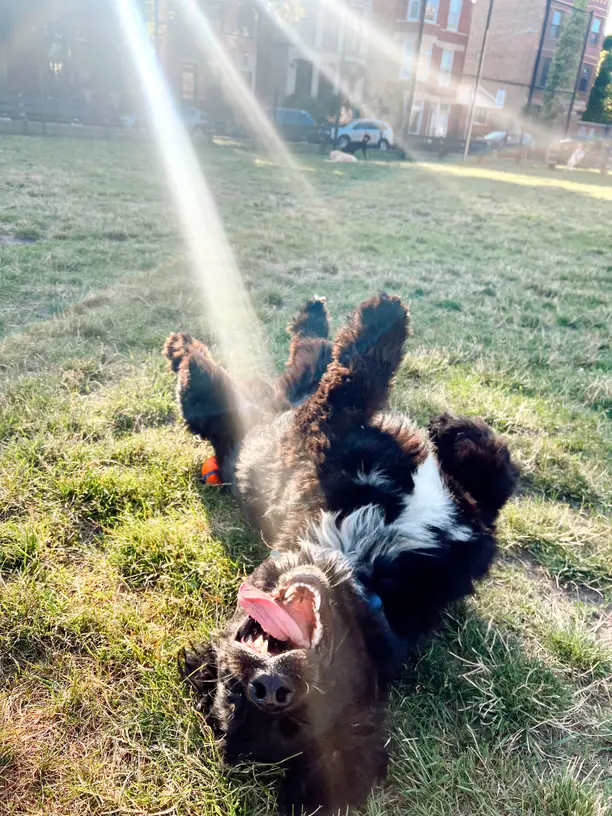
For example, my friend’s dog Max barks loud and fast when he sees another dog. That’s excitement or fear. But when he wants to go outside, it’s just a short, soft bark. Once you understand the bark, finding the right dog training solution gets easier.
Don’t Yell at Your Dog
When barking gets out of control, it’s easy to lose patience.
Yelling feels natural, but it doesn’t work. In fact, it often makes barking worse. Your dog might think you’re barking back.

Dogs don’t understand shouting. They understand tone and consistency.
Stay calm. Use a soft but firm voice. Say something simple like “quiet” or “enough.” Use the same word every time. Over time, positive reinforcement training helps your dog connect the dots.
Use Treats and Praise
Dogs love rewards. Simple as that.
Using treats is one of the easiest dog training techniques to stop barking.

When your dog goes quiet, even for a few seconds, give a treat right away. Add praise like “good quiet!” This is positive reinforcement, and it works really well for barking control.
For example, if your dog barks when the doorbell rings, wait for that short pause. The moment they stop, reward them. Treat first. Praise next. Do this often. Over time, your dog starts learning that being calm = good stuff.
Give Your Dog Enough Exercise
A tired dog is usually a quiet dog.
If your dog has too much energy, barking becomes an outlet.
Daily walks help a lot. Play fetch. Try tug-of-war. Let them run in a safe space if you can. Regular dog exercise helps reduce excessive barking and bad behavior.
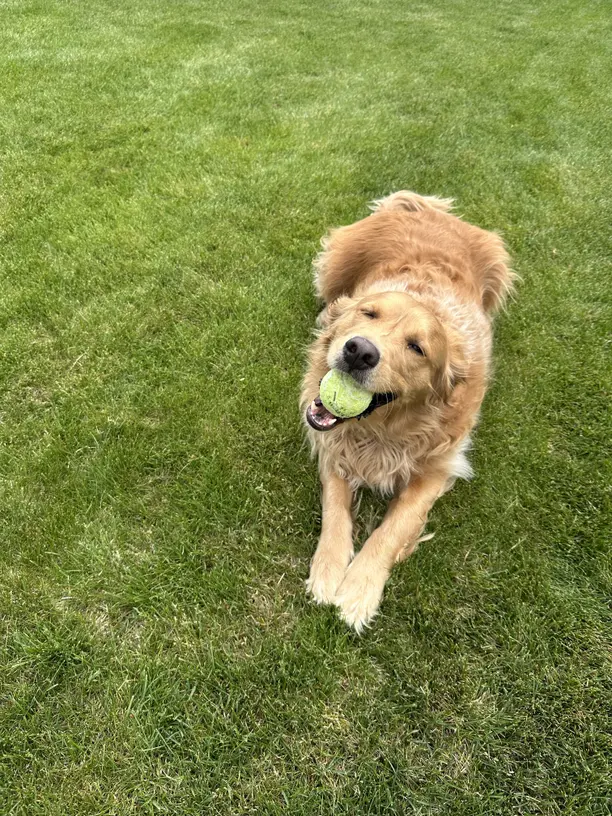
Think about it. If you’re stuck at home all day with nothing to do, you’d get restless too. Dogs feel the same way. Exercise keeps their body and mind calm.
Stop Boredom Barking
Bored dogs bark. A lot.
When there’s nothing to do, barking becomes entertainment.
Toys help big time. Chew toys. Puzzle toys. Anything that keeps your dog busy and thinking. This is great for mental stimulation and dog behavior training.
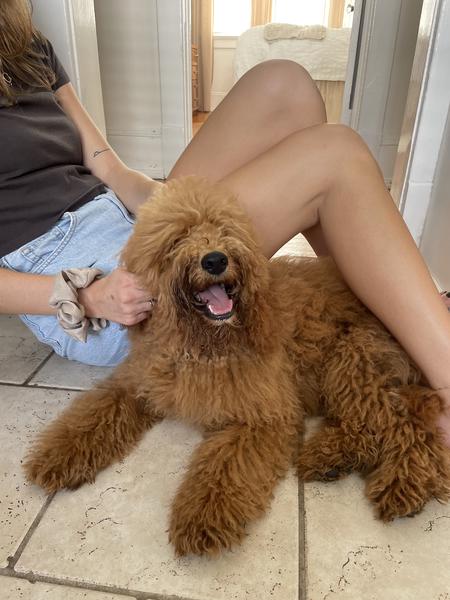
My neighbor’s dog used to bark nonstop while they were at work. They started leaving a toy filled with peanut butter. Barking dropped fast. The dog was busy, relaxed, and happy.
Don’t Leave Your Dog Alone for Too Long
Some dogs bark because they’re lonely.
That’s separation anxiety, and it’s very common.
If your dog is alone for long hours, try stopping by during lunch or ask a friend or dog walker to visit. Small changes help reduce anxiety barking.

You can also leave something with your smell, like a worn shirt. Turn on the TV or radio for background noise. Soft sounds can help your dog feel safe. With time and patience, your dog can learn to stay calm when alone.
Use a Quiet Time Command
Teaching a quiet command is a powerful dog training tip for barking control.
Start in a calm place. No noise. No distractions.
When your dog barks, wait. The moment they stop, even for one second, say “quiet” and give a treat. This builds obedience training using positive reinforcement.
Repeat this daily. Keep sessions short. Stay patient.
Over time, your dog will connect the word “quiet” with calming down. It’s not instant, but it really works.
Don’t Reward Bad Behavior
Dogs learn fast.
If barking gets them what they want, they’ll keep doing it.
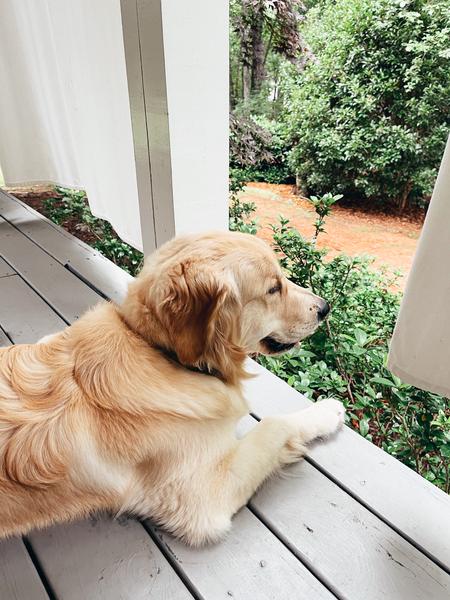
For example, if your dog barks for a toy and you hand it over, you just taught them barking works. That’s how bad dog behavior sticks.
Instead, wait until your dog is calm. Then give the toy or attention. This teaches that silence gets rewards. Consistency is key in dog behavior training.
Use White Noise or Music
Some dogs bark at every little sound. Cars. Birds. People talking outside.
This kind of noise-triggered barking can be reduced with soft music or white noise.
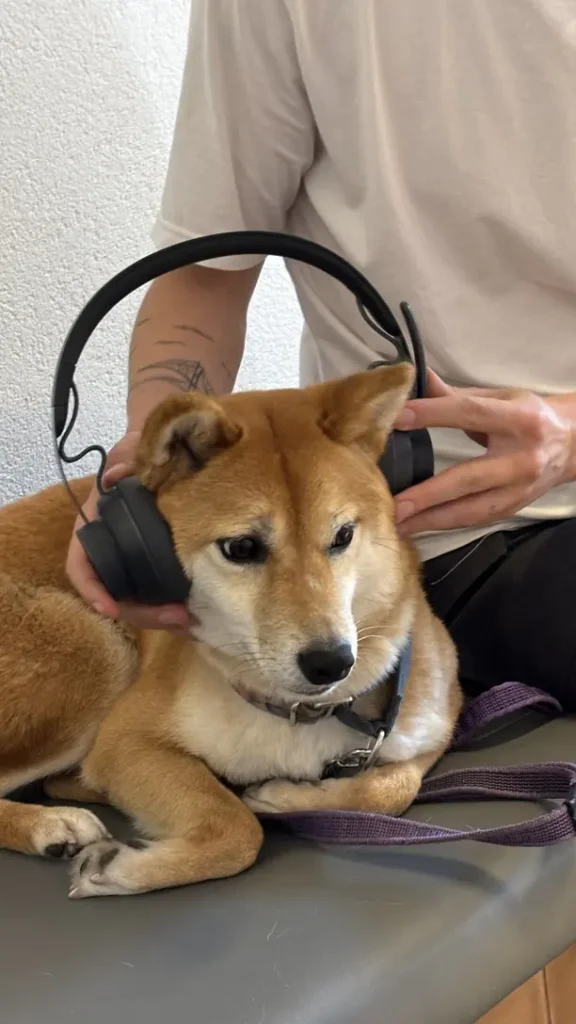
Some dogs bark at every little sound. Cars. Birds. People talking outside.
This kind of noise-triggered barking can be reduced with soft music or white noise.
Block the View
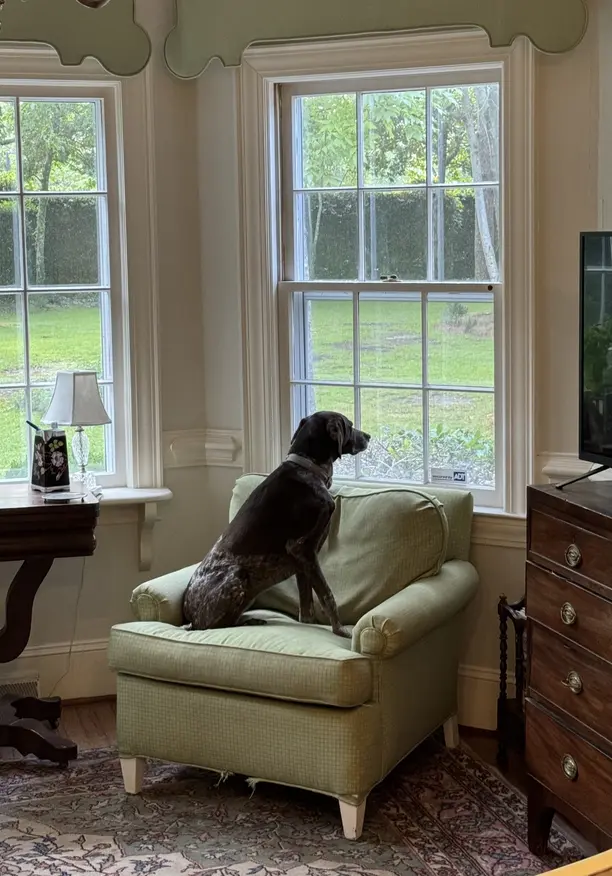
If your dog barks at people or animals outside the window, block the view.
Close the curtains. Use window film. Move furniture. Even a baby gate can help.
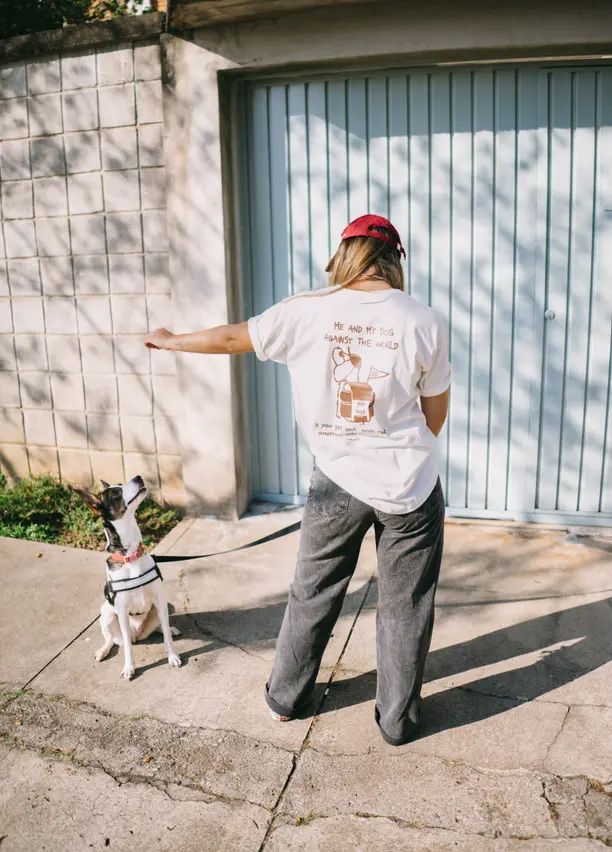
Dogs are natural guards. If they see movement, they bark. If they don’t see it, they relax.
Out of sight, out of mind works surprisingly well for excessive dog barking problems.
Socialize Your Dog
Sometimes dog barking comes from fear. New people. New dogs. New places.
That’s where dog socialization helps a lot.
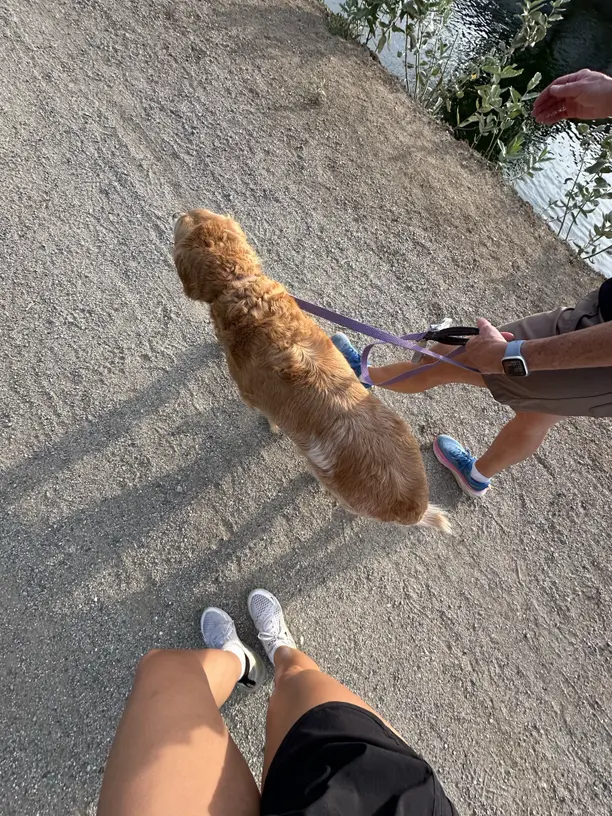
Take your dog to the park. Let them meet calm dogs and friendly people. Keep things slow and safe. No rushing. Over time, your dog builds confidence, feels less anxious, and the barking naturally drops.
Be Consistent
Consistency matters more than anything in dog training.
You can’t allow barking one day and get upset the next. That just confuses your dog.

Everyone in the house needs to follow the same rules. Same commands. Same reactions. If one person allows barking at the door and another doesn’t, your dog won’t learn. Clear rules = better behavior.
Avoid Shock Collars
Shock collars and harsh bark control tools might seem like a quick fix, but they often make things worse. They can cause fear, stress, and even aggression.

Kind, gentle positive reinforcement training works better long term. Training takes time, but it builds trust. And trust matters.
Think about it. If someone shocked you for talking too loud, you’d feel awful. Dogs feel that too. Patience goes a long way.
When to Talk to a Trainer
If you’ve tried everything and barking is still a problem, getting help is okay.
A professional dog trainer or dog behavior expert can spot things you might miss.
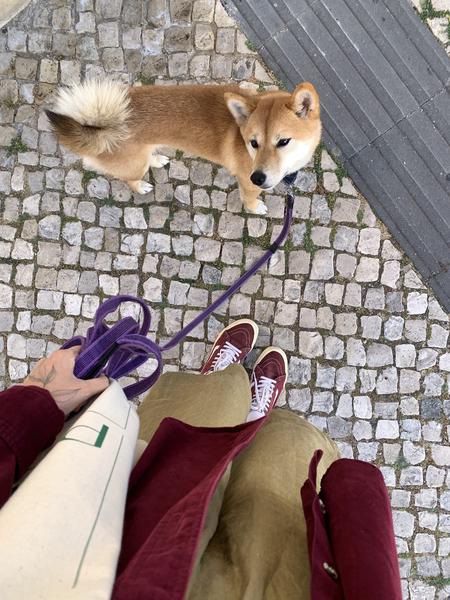
They can watch your dog, understand the trigger, and create a simple training plan. Many trainers even offer online dog training, which makes it easier.
Every dog is different. Sometimes a fresh set of eyes changes everything.
Keep a Barking Diary
This might sound a little silly, but it works really well.
Start a dog barking diary. Write down when your dog barks, the time, what was happening, and how long it lasted.
After a few days, patterns show up. Maybe your dog barks at the mail carrier every day at 10 a.m. Or maybe it’s noise outside. Once you know the trigger, barking control training becomes way easier.
Awareness is a big part of dog behavior training.
Celebrate Progress
Your dog won’t stop barking overnight. That’s normal.
But small wins matter.
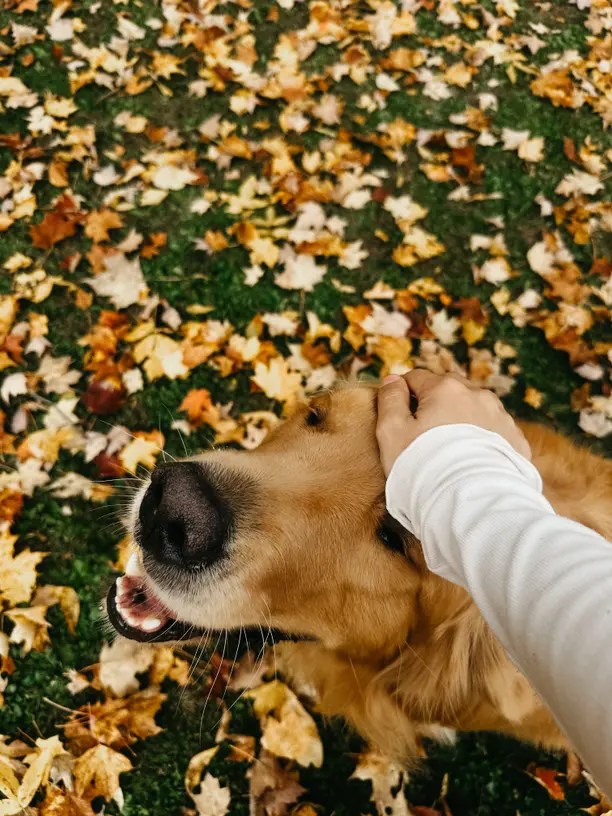
If your dog used to bark for 30 minutes and now it’s only 10, that’s progress. That means your dog training methods are working.
Give your dog praise. And give yourself some credit too. Change takes time. Keep going.
Final Thoughts
Barking is natural. Dogs bark to communicate.
But excessive dog barking can be stressful for everyone.
The good news? You can teach your dog when barking is okay and when it’s not. With patience, love, and simple obedience training, your home can feel calm again.
Your dog isn’t being bad. They’re just confused.
Train with kindness. Stay consistent. You’re not just a dog owner. You’re your dog’s best teacher and best friend 🐾