
Here’s What Really Happens to Your Body When You Skip Breakfast

Skipping breakfast might feel like no big deal, right? Maybe you’re rushing out the door, or maybe you just don’t feel hungry when you wake up. But if you think missing breakfast doesn’t matter, think again! Over time, that little habit can really start to mess with your body in ways you might not even realize. So, let’s dive into what really goes down when you skip that first meal of the day. Trust me, it’s more important than you think!
Your Energy Levels Drop
Think of breakfast as the fuel your body needs to kickstart the day. It’s like trying to drive your car on empty—things just aren’t gonna run smoothly. Without breakfast, you’re basically running on fumes, and by mid-morning, you’ll probably feel sluggish, tired, or even weak.

That’s because when you skip breakfast, your blood sugar levels stay low. And here’s the thing—blood sugar is what gives your brain and muscles the energy to do their thing. Without it, you might feel foggy, moody, or struggle to focus. It’s like trying to work without coffee—definitely not ideal.
You May Start to Overeat Later
Here’s a sneaky little trick your body pulls when you skip breakfast—it doesn’t actually help you eat less! Instead, it makes you hungrier by lunchtime. When your stomach stays empty for too long, that hunger builds up, and by the time you sit down to eat, you’re ready to devour everything in sight.
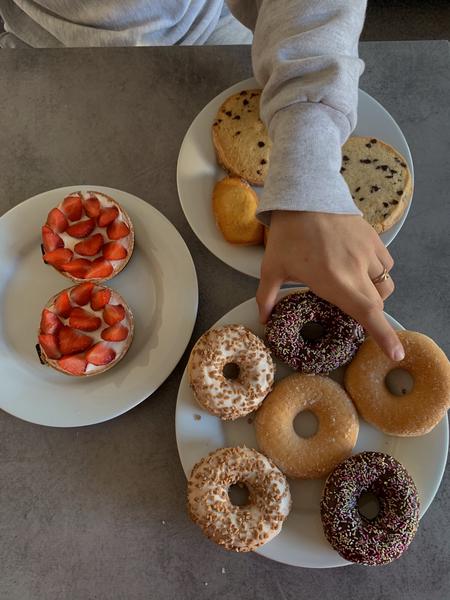
Now, you’re probably not reaching for a salad. Nope! You’re more likely to grab something easy and quick like chips, cookies, or sugary drinks to satisfy that hunger fast. This can definitely add up, leading to overeating and, eventually, weight gain. Not exactly the kind of energy boost you’re looking for.
Your Metabolism Slows Down
Metabolism is like your body’s engine—it burns energy so you can get through the day. When you eat breakfast, it’s like sending the “go” signal to your metabolism, waking it up and getting it to burn calories. But if you skip it? Well, your body doesn’t get the memo. It goes into energy-saving mode and slows everything down, thinking it might not get food for a while.
And over time, a slow metabolism can make it way harder to maintain a healthy weight. So, while skipping breakfast might seem like a quick fix, it could actually work against you in the long run.
You Might Feel More Stressed
Did you know that food can actually affect your mood? Yep, skipping breakfast can throw your stress levels out of whack. When you skip that morning meal, your body starts cranking up stress hormones like cortisol. Cortisol’s job is to help you handle problems, but too much of it can make you feel anxious, irritable, or just plain on edge.

And let’s be real—ever heard of being “hangry”? It’s that mix of hungry and angry, and it’s totally real. When you’re starving, you’re way more likely to snap at people or get annoyed by little things. A solid breakfast can help keep those mood swings in check and make you feel more balanced throughout the day.
You Could Miss Important Nutrients
Breakfast is a prime opportunity to load up on key nutrients, but if you skip it, you’re missing out. Foods like eggs, fruit, oats, and yogurt are packed with vitamins and minerals your body craves. Without that morning fuel, you could miss out on nutrients like fiber, iron, calcium, and vitamin D—stuff that keeps your bones strong, your heart in good shape, and your body running smoothly.
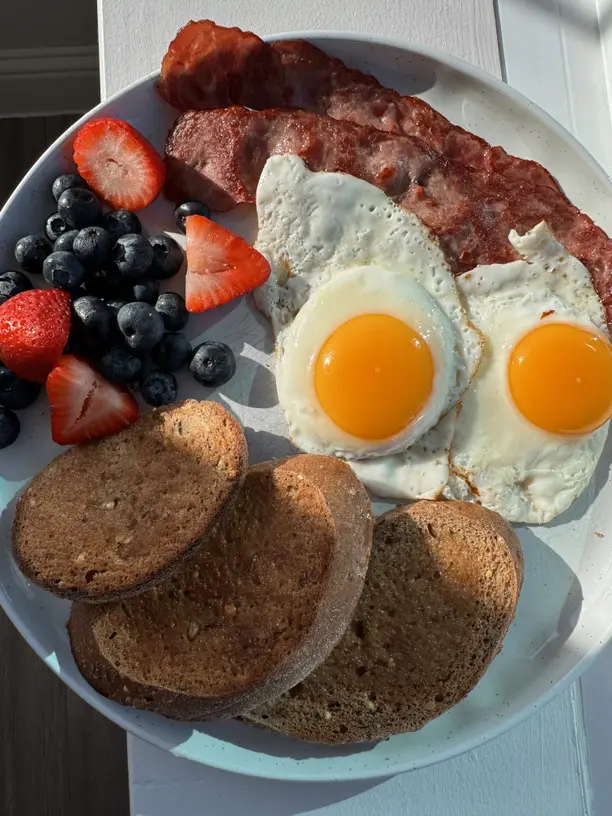
The longer you skip breakfast, the harder it becomes to get all these essential nutrients, and that can add up in the long run. So, why not make breakfast count?
Your Brain Doesn’t Work as Well
Here’s the kicker: your brain needs food to function. It uses glucose (a type of sugar) to think clearly and stay sharp. Without breakfast, your brain doesn’t get enough of that fuel, which can make it harder to focus, remember things, or problem-solve.

It’s not just adults, either—kids and teens who eat breakfast tend to do better in school, paying more attention and having a better memory. The same goes for us adults at work. If you want to stay on top of your game, a healthy breakfast is the way to go.
Your Blood Sugar May Fluctuate
Skipping breakfast can mess with your blood sugar levels, and not in a good way. When you don’t eat in the morning, your blood sugar is low to start. Then, when you finally have something to eat, it can spike too quickly. This rollercoaster effect can leave you feeling dizzy, shaky, or downright exhausted.
If you have diabetes, this is even more of a concern. Skipping breakfast can make it harder to manage blood sugar levels, so it’s crucial to keep things steady. Even if you don’t have diabetes, keeping your blood sugar stable helps you feel your best throughout the day. So, that quick fix of skipping breakfast? Probably not worth the ride.
You Might Gain Weight, Not Lose It
It’s pretty common for people to skip breakfast thinking it’ll help with weight loss, right? Well, here’s the thing: it doesn’t always work that way. In fact, some studies show that people who skip breakfast end up gaining more weight over time.
Why? Because when you go too long without eating, you get super hungry and may end up overindulging later on. Plus, your body goes into “save energy” mode, storing more fat as it thinks food is scarce. A small, healthy breakfast can actually help you feel fuller and avoid overeating later. So, if weight loss is the goal, breakfast might just be your secret weapon.
Your Digestion Can Be Affected
Your digestive system is a busy little worker, and when you skip breakfast, it’s still cranking out stomach acid. The problem is, with no food in your stomach, that acid can irritate your stomach lining, leading to bloating, stomach aches, or even acid reflux.

Having breakfast gives your digestive system something to work with, keeping everything in balance. Plus, sticking to a regular eating schedule can help avoid things like constipation. So, your stomach will thank you for not skipping that morning meal.
You Might Feel Cold
You ever notice how your body feels colder when you skip breakfast, especially on chilly mornings? That’s because your body doesn’t have enough fuel to burn for warmth. Without that morning meal, you’re left without the energy to heat yourself up, which can lead to cold hands, cold feet, or even shivering.

A warm breakfast like oatmeal or eggs can help keep you cozy and ready to take on the day. So, if you’re finding yourself reaching for extra layers, maybe it’s time to reconsider that skipped breakfast.
You Miss a Chance to Connect
Breakfast isn’t just about food—it’s also about connection. Whether you’re having breakfast with family, roommates, or even just yourself, it’s a moment to share good vibes or simply enjoy a quiet start. Eating together can set a positive tone for the day, offering a chance for simple conversations or just a peaceful moment before things get hectic.
If you skip breakfast, you’re not just missing out on food—you’re missing this special, peaceful time. So why not sit down, enjoy a warm meal, and take a minute to breathe before the rush of the day kicks in?
You May Feel Sluggish During Workouts
Planning on hitting the gym or going for a run in the morning? Well, skipping breakfast might make your workout a lot harder. Your body needs fuel to perform at its best, and without it, you might feel weak, dizzy, or out of breath way faster than usual.

Even a small snack like a banana, a slice of toast, or some yogurt can give you that energy boost. This simple pre-workout snack can help you feel stronger, perform better, and recover faster. Skipping it, on the other hand, can lower your stamina and increase muscle fatigue. Not the vibe you want during a workout, right?
Your Skin Might Look Dull
Want your skin to stay glowing? Then you need to fuel your body with the right stuff. Skipping breakfast regularly can leave your skin looking dull and dry because you’re missing out on key vitamins like A, C, and E, which are all essential for healthy, radiant skin.

On top of that, low blood sugar and the stress that comes from skipping meals can take a toll on your skin, possibly leading to more breakouts or redness. So, if you want to keep your skin looking fresh, a balanced breakfast packed with fruits and healthy fats could do wonders.
Your Hormones May Get Out of Balance
Your body is pretty much run by hormones—they control hunger, energy, sleep, and a ton of other important stuff. But when you skip breakfast, it can mess with that delicate balance. For example, your hunger hormone, ghrelin, goes up, and suddenly, you’re craving all the sugary or fatty foods you can find.

On top of that, hormones like insulin and cortisol also take a hit. These changes can affect how you feel, mess with your sleep, and even influence how your body stores fat. A steady eating routine helps keep those hormones in check, making it easier for you to feel good throughout the day.
So, Should You Always Eat Breakfast?
Here’s the thing—not everyone is hungry first thing in the morning, and that’s totally fine! But if you’re skipping breakfast every single day, your body might start letting you know. Even if you’re not starving when you wake up, having something small—like a smoothie, a piece of fruit, or a boiled egg—could make a huge difference.
The key is to listen to your body. If you’re waking up feeling tired, grumpy, or super hungry by mid-morning, breakfast could be the answer. You don’t need to go overboard—just something light and healthy to get you started. It’s all about finding what works for you.
Tips for Building an Ideal Healthy Breakfast
Alright, so breakfast doesn’t always come easy. We’ve all been there—what should you eat? Should you go for eggs? What about cereal? And what if you’re in a rush? No worries, I’ve got you covered. Making a healthy breakfast isn’t as complicated as it sounds. With just a few simple tweaks, you can make a meal that not only tastes good but also gives your body the fuel it needs to start the day strong.
Start with Protein
Protein is a game-changer when it comes to breakfast. It helps you stay full longer, gives you that energy boost, and even helps keep your blood sugar steady. Plus, it’s key for building muscle and keeping your body in balance. A protein-packed breakfast can stop those hunger pangs from hitting too soon.
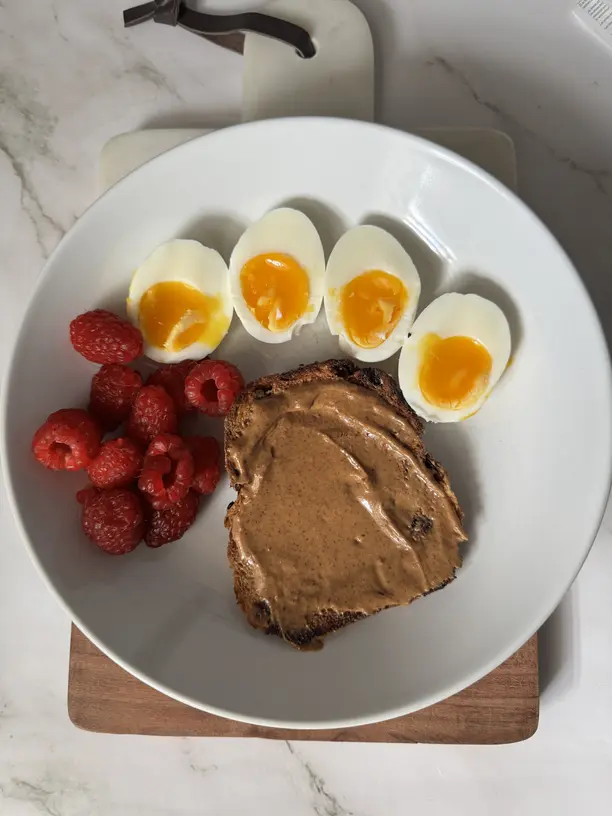
So, what counts as good protein? You’ve got options—eggs, Greek yogurt, cottage cheese, peanut butter, or even a protein smoothie. Nuts or seeds can also give you a little protein punch. Try to have at least one of these in your breakfast to set yourself up for success. It’s easier than you think!
Add Whole Grains
Whole grains are like your body’s reliable energy source—they provide long-lasting fuel and are packed with fiber, which is great for digestion and helps keep you feeling full longer. When you eat whole grains in the morning, you might find yourself reaching for snacks a lot less later in the day.

So, ditch the white bread and sugary cereals and opt for healthier choices like whole grain toast, oats, whole wheat wraps, or even brown rice. These foods are packed with healthy carbs that keep your brain sharp and your energy steady.
Include Fruits or Vegetables
Fruits and veggies are like nature’s multivitamins. They’re bursting with vitamins, antioxidants, and nutrients that help your body fight off illness and stay strong. Tossing a handful of berries into your oatmeal or adding a banana to your toast is an easy way to make your breakfast more nutritious and colorful.
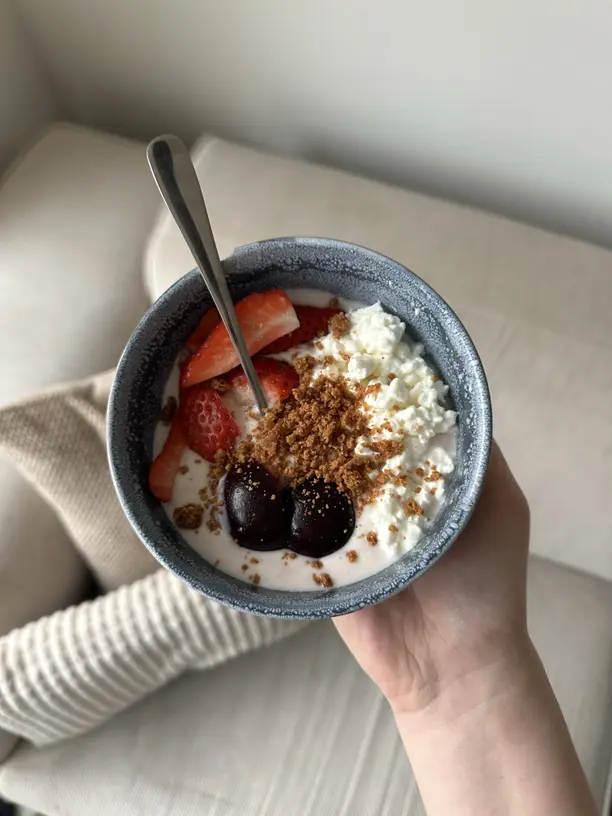
Even a small side of fruit or a veggie smoothie can make a big difference. Try to sneak in at least one fruit or veggie with your breakfast every day—you’ll be surprised at how simple it is to fit in more plant goodness.
Don’t Forget Healthy Fats
Healthy fats are a must for keeping your body in tip-top shape. They’re great for your brain, your skin, and even your heart. Plus, they help you feel full and satisfied after eating, so you won’t be hunting for snacks an hour later.
Good sources of healthy fats include avocado, nuts, seeds, and olive oil. For example, spread some avocado on your toast, toss some chia seeds in your smoothie, or grab a handful of almonds to go with your breakfast. Just remember, a little goes a long way with fats—no need to overdo it.
Watch the Sugar
Let’s be real—many breakfast foods are loaded with added sugar, from sugary cereals to pastries, flavored yogurts, and even some granola bars. But too much sugar early in the day can set you up for an energy crash later on.
If you’re buying packaged foods, take a second to check the labels for added sugars. Try choosing options with little to no sugar added, or better yet, sweeten your oatmeal or yogurt with fresh fruit instead of syrup or sugar. Your body will thank you for keeping things natural.
Drink Something Healthy
What you drink in the morning is just as important as what you eat. While juice or sweet coffee drinks might seem like a tasty option, they can be packed with sugar and unnecessary calories. It’s better to go for drinks that actually hydrate and fuel your body in a healthy way.
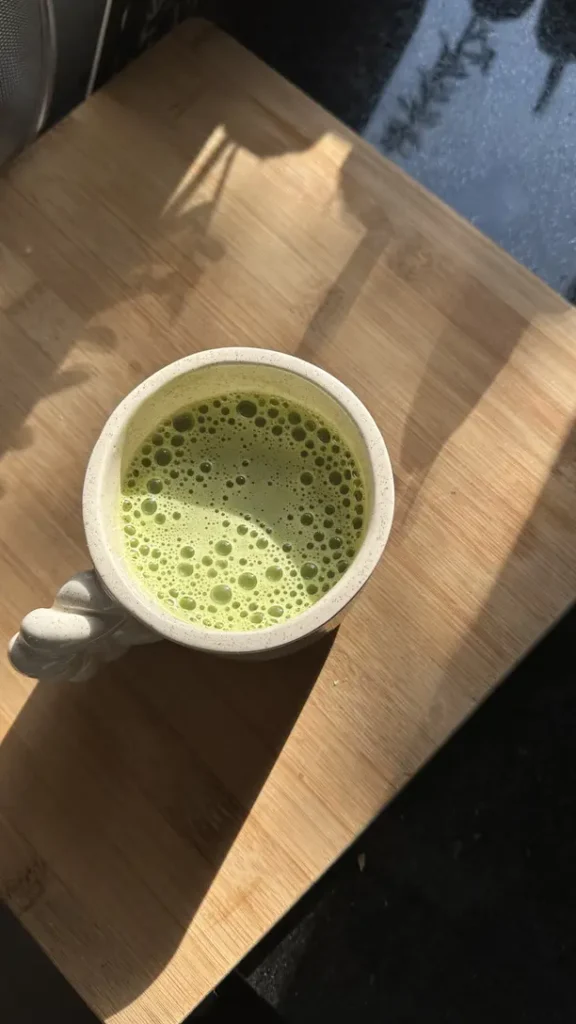
Water is always your best bet—super simple, but effective. You can also go for unsweetened tea, black coffee, or a smoothie made with fruits and veggies. If you’re into milk, stick with a low-fat option. Try to avoid soda or energy drinks in the morning—they’re not doing your body any favors.
Keep It Simple and Balanced
Healthy breakfasts don’t have to be complicated or fancy. The key is finding the right balance of protein, whole grains, healthy fats, and fruits or veggies. When your plate has a bit of each, you’re off to a great start.
For example, a simple breakfast could be whole grain toast with peanut butter and a banana, or scrambled eggs with spinach and a slice of toast. Greek yogurt with fruit and nuts is another quick and healthy option. The goal is to keep it simple and still get all those good nutrients in.
Plan Ahead
We’ve all been there—mornings are chaotic, and the last thing you want to do is think about breakfast. But if you take a few minutes to plan ahead, you can make sure you have something healthy ready to go.

Try prepping overnight oats the night before, or keep boiled eggs and smoothie ingredients in the fridge. You can even pack a breakfast sandwich or yogurt to take with you to work or school. When you plan in advance, it makes sticking to healthy habits way easier.
Eat What You Enjoy
Eating healthy doesn’t mean you have to say goodbye to your favorite foods. It’s all about making small, smart swaps. If you love pancakes, try using whole wheat flour and topping them with fruit instead of syrup. Find a breakfast that you truly enjoy, and that gives your body the nutrients it needs. When you like what you’re eating, it’s way easier to turn it into a regular habit.

Don’t Skip Breakfast
It might seem tempting to skip breakfast, especially if you’re rushing out the door or trying to lose weight. But skipping that first meal of the day can leave you feeling low on energy, moody, or even more likely to overeat later on.
Even if you’re in a rush, eating something small is better than nothing. Grab a banana, a hard-boiled egg, or a slice of whole grain toast. Starting your day with food helps your brain and body feel ready to take on whatever comes your way.
Mix It Up
Let’s be real: eating the same thing every day can get kind of boring. So why not mix it up a little? Changing your breakfast keeps things interesting and gives your body a broader range of nutrients.
One day, you might go for oatmeal topped with berries, and the next day, you could have eggs with toast and avocado. You can try different fruits, switch up the type of bread, or even experiment with a new smoothie recipe. The more variety you bring to the table, the better it is for your body in the long run.
Try Cultural Breakfast Ideas
Breakfast doesn’t have to be all about cereal and toast. Around the world, breakfast looks totally different—and there are some seriously delicious and healthy options to try. Mixing in new ideas can keep your meals exciting and help you explore different flavors.

For example, in Japan, breakfast might be rice, grilled fish, and miso soup. In Mexico, it could be eggs with beans and tortillas. In India, you might enjoy lentils, flatbread, and vegetables for breakfast. You can borrow from these global traditions and adapt them to your own taste. Who says breakfast has to be the same every day?
Listen to Your Body
Here’s the thing: not everyone feels super hungry first thing in the morning, and that’s totally fine. The most important thing is to listen to your body and give it what it’s asking for. If you’re not craving a huge meal, start small with something light.

Pay attention to how you feel after eating. Does your energy level go up? Are you in a better mood? A good breakfast should leave you feeling positive and fueled. If you find yourself feeling sluggish or heavy after eating, try something lighter or mix it up next time.
Final Thoughts
Building a healthy breakfast doesn’t have to be complicated or time-consuming. With a little planning and some simple ingredients, you can create a meal that keeps you feeling awesome all day long. Just remember to include protein, whole grains, fruits or veggies, and healthy fats. Keep your drinks hydrating and steer clear of too much sugar.
Make breakfast something you look forward to, not a chore. When you start your day off with some care and good food, your body and brain will thank you. Keep things fun, try new options, and find what makes you feel your best.
A solid day starts with a smart breakfast—and now you know exactly how to build one!